Reliable Belt Conveyor Systems for Efficient Industrial Material Handling
In today’s competitive industrial environment, efficient material handling is essential for improving productivity, reducing manual effort, and maintaining smooth production operations. A belt conveyor system provides a practical solution for transporting materials from one location to another with speed, consistency, and reliability.
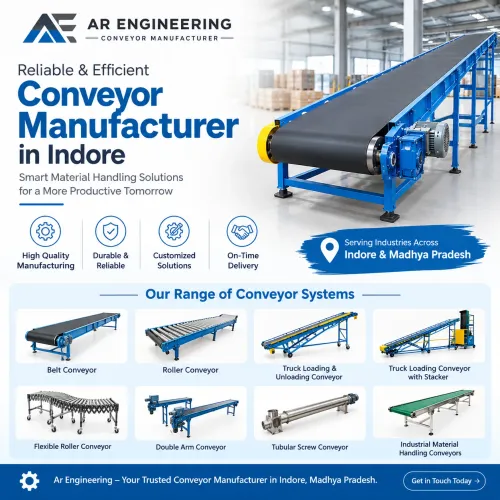
AR Engineering, Indore, Madhya Pradesh, offers industrial conveyor solutions designed to support material handling requirements across manufacturing, packaging, warehousing, engineering, and other industrial applications. If you are searching for a belt conveyor manufacturer in Indore, AR
Engineering can help you explore conveyor solutions suited to your operational needs.
What Is a Belt Conveyor System?
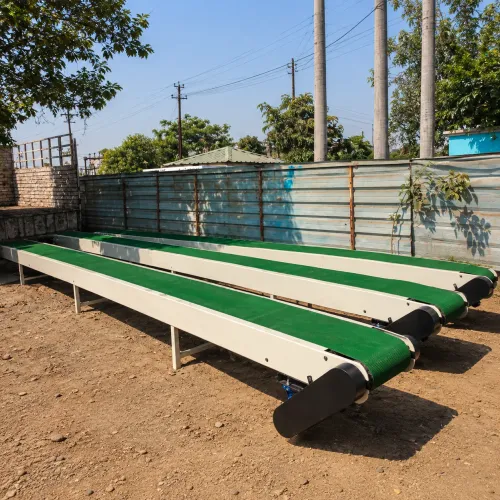
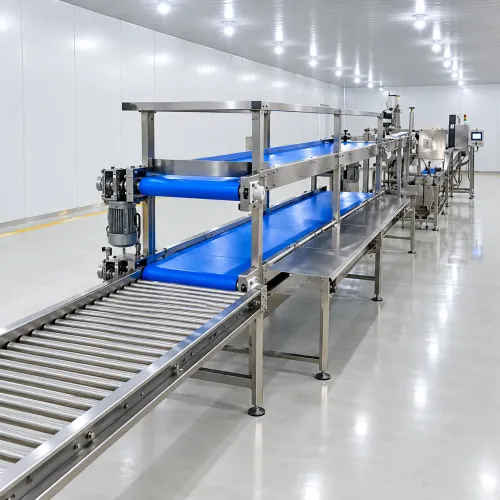
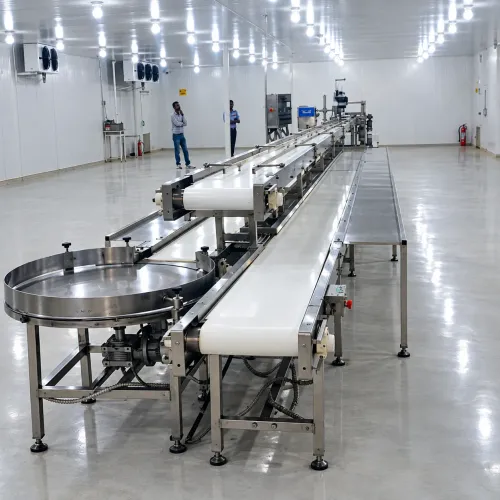
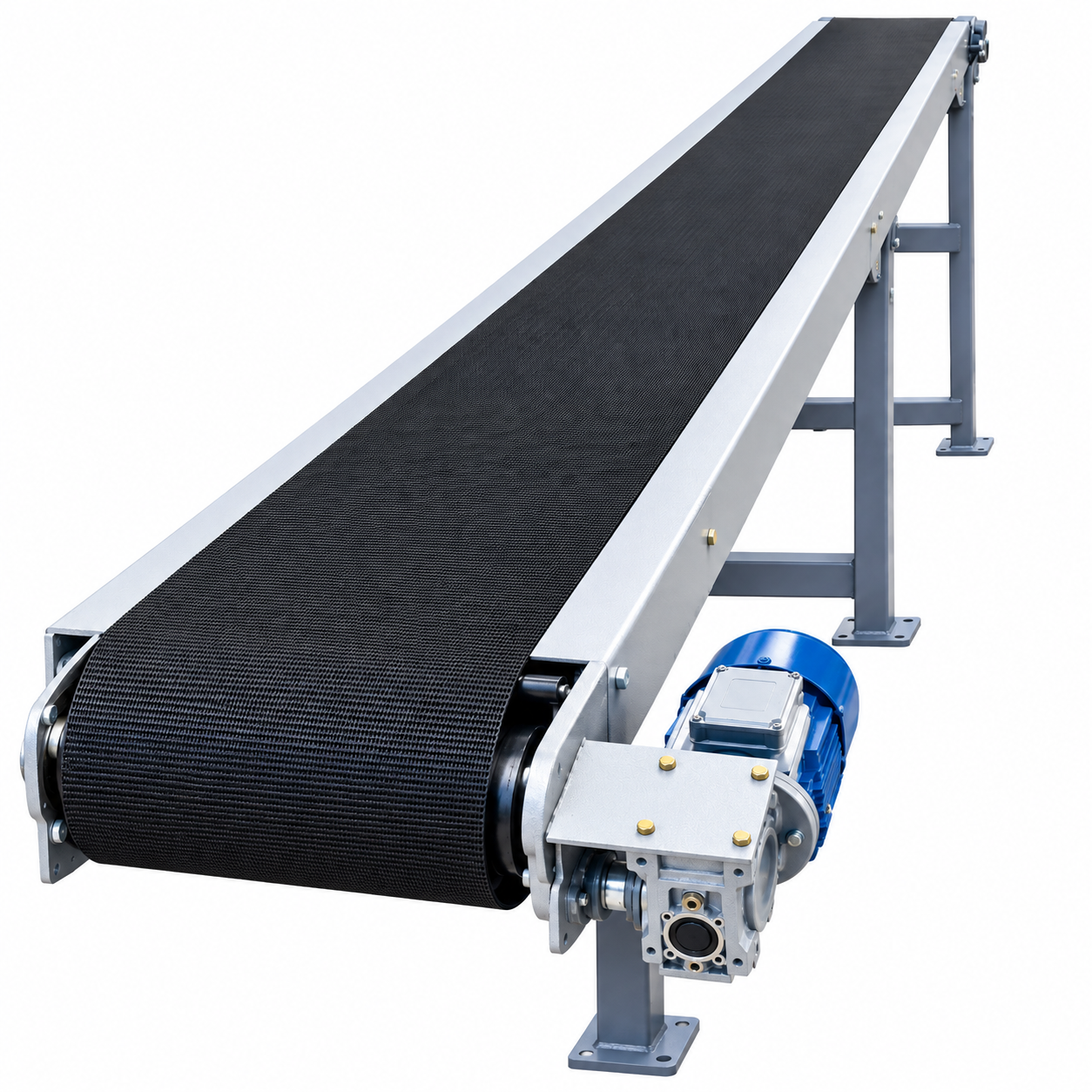
A belt conveyor is a mechanical material handling system that uses a continuously moving belt to transport products, components, packages, or bulk materials between different points. The system generally consists of a conveyor belt, supporting frame, drive motor, pulleys, rollers, and other components selected according to the application.
Belt conveyors are widely used in industrial facilities because they support continuous material movement and can be integrated into existing production and packaging lines.
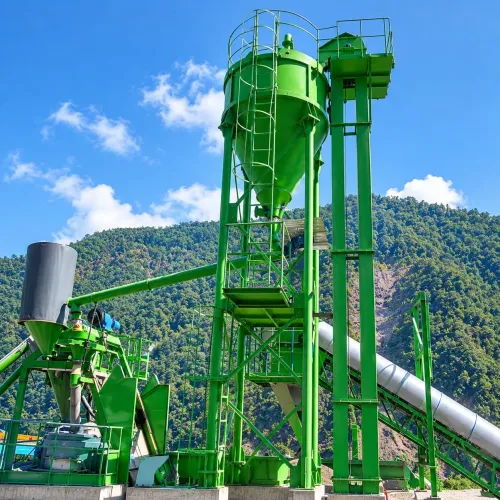
Depending on the material, operating environment, load capacity, and layout, a belt conveyor can be designed for horizontal transportation or inclined material movement.
Why Choose AR Engineering for Belt Conveyors in Indore?
AR Engineering provides industrial conveyor solutions for businesses looking to improve material movement and streamline daily operations.
Key considerations when selecting a conveyor system include:
Application-based design: Conveyor configuration can be planned according to the material being transported and the available installation space.
Efficient material movement: A properly selected belt conveyor can help reduce repetitive manual handling.
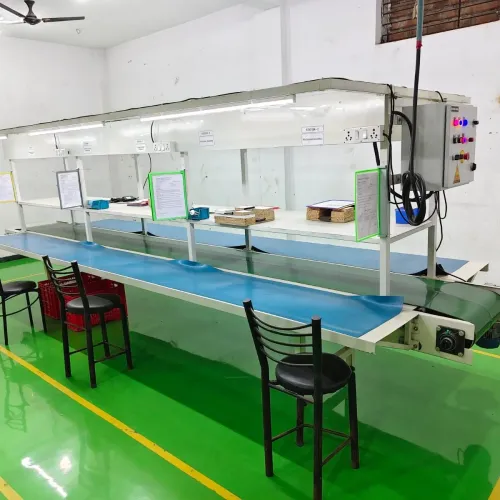
Production line integration: Conveyor systems can be incorporated into suitable manufacturing, assembly, and packaging workflows.
Industrial construction: Frame material, belt type, drive arrangement, and supporting components can be selected according to operating requirements.
Flexible configurations: Conveyor dimensions, loading points, discharge points, and inclination can be evaluated for the intended application.
Maintenance planning: Accessible components and suitable belt tracking arrangements can help simplify routine inspection and servicing.
The right conveyor depends on your product dimensions, material weight, required throughput, working conditions, and installation layout.
Types of Belt Conveyor Systems
AR Engineering can help businesses assess the appropriate belt conveyor configuration for their material handling requirements.
1. Industrial Belt Conveyor
2. Inclined Belt Conveyor
3. Flat Belt Conveyor
4. Packaging Belt Conveyor
5. Material Handling Belt Conveyor
6. Customized Belt Conveyor
Benefits of Installing a Belt Conveyor System
Choosing the right belt conveyor can provide several operational benefits:
Reduced manual handling: Helps minimize repetitive movement of materials by workers.
Consistent transportation: Supports a steady flow of products between designated locations.
Improved workflow: Helps connect different production and packaging stages.
Better space utilization: Conveyor dimensions can be planned around the available floor space.
Scalable material handling: Appropriate conveyor arrangements can be incorporated into larger material handling
systems.
Potential productivity improvements: Automated or motorized material movement can reduce avoidable handling delays.
Organized operations: Defined loading and discharge points help establish a more structured movement of materials.
Actual performance and cost savings depend on the conveyor configuration, operating conditions, maintenance, and production requirements.
How to Select the Right Belt Conveyor
Before purchasing a belt conveyor in Indore, consider the following factors:
Material type: Identify whether you need to transport cartons, components, finished goods, granular materials, or other products.
Load capacity: Determine the weight of individual items and the expected total material load.
Conveyor dimensions: Calculate the required belt width, conveyor length, and working height.
Operating speed: Estimate the material throughput required for your production process.
Keywords